


How to Restore an Overgrown Yard: A Step-by-Step Guide
Table of Contents
Assess the Condition and Scope of Your Overgrown Yard
Identifying Recoverable Lawn Versus Areas Needing Replacement
Safety Considerations and Hazards to Watch For
How to Clear an Overgrown Yard: Selecting the Right Tools
Hand Tools for Selective Work
Power Equipment for Large-Scale Clearance
How to Mow an Overgrown Lawn: A Staged Cutting Approach
First Pass: Rough Cutting Tall Grass in Stages
Protecting Established Plants During Clearance
How to Remove Weeds from a Lawn After Overgrowth
Manual Removal Versus Selective Herbicide Application
Repair Soil Damage and Prepare for Lawn Recovery
Dethatching and Aerating Compacted Soil
Adding Topsoil and Leveling Uneven Ground
How Long Does It Take to Restore an Overgrown Yard
Timeline by Severity Level
Seasonal Factors and Recovery Windows
Reseed and Restore Lawn Density
Choosing the Right Grass Seed for Your Climate
Watering, Fertilizing, and Ongoing Maintenance
Prevent Future Overgrowth with Regular Maintenance
Frequently Asked Questions
Last Updated: October 7, 2026
Assess the Condition and Scope of Your Overgrown Yard
The first step to restore overgrown yard spaces is understanding what you're dealing with. Not all overgrowth is the same. Some yards have patches of tall grass and scattered weeds. Others are buried under years of neglect with dense vegetation, compacted soil, and established shrubs reclaiming space.
Before you grab a tool, walk your property. Look at the depth of the overgrowth. Is it mostly grass that's grown tall, or is there dense woody vegetation, vines, and established plants? This matters because your approach changes completely depending on what you find.
Identifying Recoverable Lawn Versus Areas Needing Replacement
Not every patch of an overgrown yard can be saved. Some areas will recover with cutting and care. Others won't.
Healthy soil underneath tall grass usually means recovery is possible. If you push back the vegetation and see dark, rich soil, that lawn can come back.
Dead or compacted soil is different. If the ground is hard, bare, or pale, grass won't return on its own. You'll need to add topsoil and reseed those spots.
Look for established plants worth keeping. Trees, shrubs, and perennials that have been there for years are worth protecting during clearance. Decide now which ones stay.
Safety Considerations and Hazards to Watch For
Before clearing an overgrown yard, identify potential hazards.
Hidden obstacles hide in tall vegetation. Rocks, stumps, metal debris, and broken branches can damage equipment or cause injury. Walk the area carefully and mark anything dangerous.
Wildlife may be nesting in overgrown areas. Check for bee nests, bird nests, or animal burrows before you start cutting.
Wear proper protection. Long sleeves, long pants, sturdy boots, and eye protection are essential. Gloves protect your hands from thorns and sharp vegetation. For power equipment, add hearing protection and a dust mask.
Check for hazardous plants. Poison ivy, poison oak, and thorny shrubs can cause serious problems. Learn to identify them in your area.
How to Clear an Overgrown Yard: Selecting the Right Tools
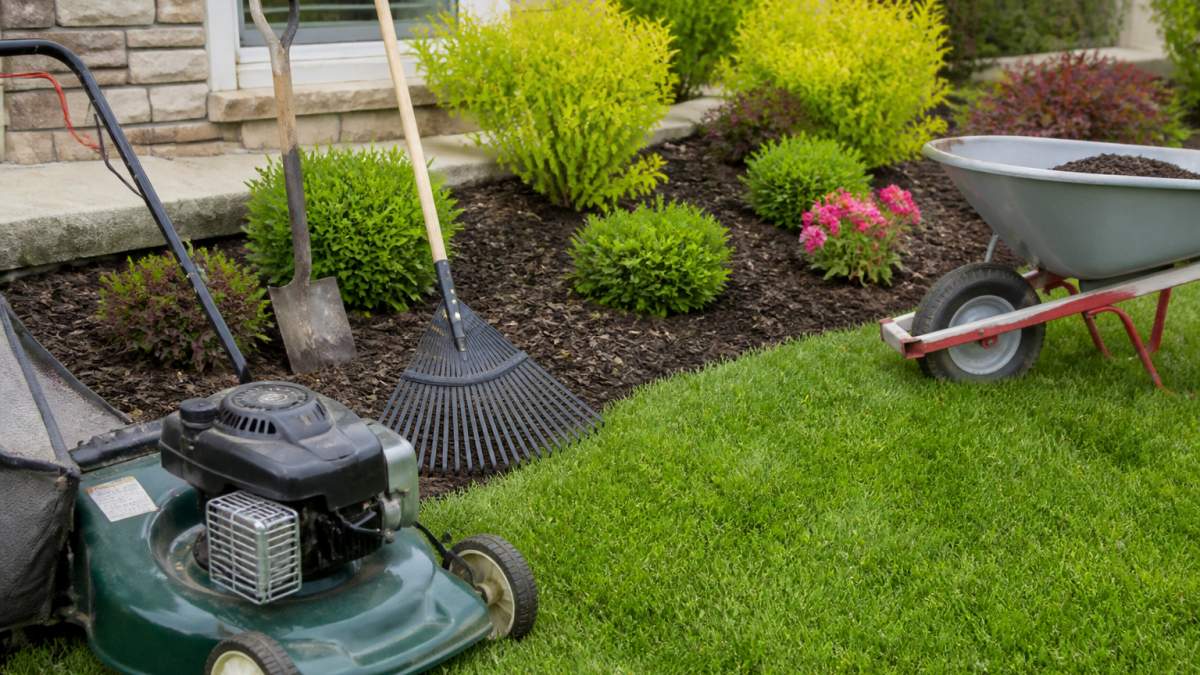
The right tools make clearing an overgrown yard faster and safer. You don't need every tool available. Choose based on the type and scale of overgrowth on your property.

Hand Tools for Selective Work
Hand tools work best for smaller areas and selective clearing. They give you control and precision.
Pruning shears cut branches up to about half an inch thick.
Loppers handle thicker branches, typically up to two inches. They give you reach and use.
Telescopic pruners extend your reach without climbing. They're useful for cutting high branches and thinning vegetation above your head.
Garden saws cut through thicker wood. A folding saw is lightweight and portable.
A garden fork or spade helps remove roots and break up compacted soil.
Hand tools take more time and effort than power equipment.
Power Equipment for Large-Scale Clearance
Power tools speed up the work to restore overgrown yard areas when you have significant vegetation to remove.
String trimmers cut grass and light vegetation quickly. They work well for the first pass on tall grass.
Brush cutters are heavier-duty versions of string trimmers. They cut thicker vegetation, small shrubs, and woody growth.
Lawn mowers work after you've done initial clearing. A standard rotary mower handles normal grass heights.
Chainsaws cut through thick branches and small trees. They're dangerous and require training.
Power equipment moves the job faster. The tradeoff is noise, maintenance, and the learning curve.
How to Mow an Overgrown Lawn: A Staged Cutting Approach
Cutting an overgrown yard in one pass damages equipment and produces poor results. A staged approach works better. Cut in multiple passes, lowering the blade each time.
Mowing For Mental Health
First Pass: Rough Cutting Tall Grass in Stages
Start with a string trimmer or brush cutter set high. Cut the vegetation down to about six inches.
Wait a few days. This lets you see what's underneath and assess what needs more work. It also lets vegetation dry if conditions are wet.
Make a second pass with the mower set higher than normal. If your mower's highest setting is three inches, use that. Cut the grass down further.
Wait another few days. Then make a third pass at normal mowing height.
This staged approach prevents equipment damage and gives you better results. It's slower than trying to cut everything at once, but it works.
Protecting Established Plants During Clearance
Established shrubs and trees need protection during clearing. Mark them clearly so you don't accidentally cut them.
Use stakes and bright tape to mark plants you want to keep. This prevents equipment operators from hitting them.
When cutting around established plants, use hand tools instead of power equipment. This gives you better control and reduces the risk of damage.
For very overgrown plants worth saving, clear the vegetation around them first. Then carefully prune back the plant itself using selective cuts. Remove dead branches and thin out dense growth.
How to Remove Weeds from a Lawn After Overgrowth
After cutting back tall vegetation, you'll have weeds. Some will be small and easy to remove. Others will have deep roots.
Manual Removal Versus Selective Herbicide Application
Manual removal works for scattered weeds. Pull them by hand or use a weeding tool to get the entire root.
For large weed infestations, manual removal takes too long. Selective herbicides work faster. Choose a product labeled for your specific weeds and grass type.
Spot-treat problem weeds rather than treating the entire lawn. This reduces chemical use and protects desirable plants.
Time herbicide application for when weeds are actively growing. Spring and fall work better than summer. Wet conditions help herbicides work effectively.
Allow time for herbicide to work before mowing. Most products need 24 to 48 hours. Check the label for specific timing.
Repair Soil Damage and Prepare for Lawn Recovery
An overgrown yard usually has damaged soil. Compaction, thatch buildup, and poor drainage are common problems. Fixing these issues is essential for lawn recovery.
Dethatching and Aerating Compacted Soil
Thatch is dead grass and organic matter that builds up on the soil surface. A thin layer is normal. Too much thatch blocks water and nutrients from reaching grass roots.
Dethatch using a power rake or dethatcher. This machine has tines that comb through the lawn and pull up dead material. Rent one if you don't own it.
Aeration breaks up compacted soil. Compacted soil prevents roots from growing deep and water from draining properly.
Aerate in spring or fall. Core aerators remove soil plugs and leave them on the surface. These plugs break down and help improve soil.
Adding Topsoil and Leveling Uneven Ground
Bare spots and low areas need topsoil before seeding. Spread a half-inch to one inch of quality topsoil over problem areas.
Level uneven ground by filling low spots and removing high spots. Use a rake to smooth the surface. The lawn should be relatively level for even mowing and drainage.
Mix topsoil with the existing soil rather than just laying it on top. This helps new grass roots establish better.
How Long Does It Take to Restore an Overgrown Yard
Timeline depends on how severely overgrown your yard is. Expect the project to take weeks or months, not days.
Timeline by Severity Level
A lightly overgrown yard with tall grass and scattered weeds takes two to four weeks. Cut the grass in stages. Remove weeds. Aerate and overseed. Most of this work happens in the first week.
A moderately overgrown yard with dense vegetation and some bare spots takes four to eight weeks. Initial clearing takes one to two weeks. Soil prep and seeding take another week. Recovery and establishment take four to six weeks.
A severely overgrown yard with thick vegetation, established weeds, and compacted soil takes two to three months. Major clearing work takes two to three weeks. Soil repair takes another one to two weeks.
These timelines assume consistent work and favorable growing conditions.
Seasonal Factors and Recovery Windows
Spring and fall are ideal for lawn restoration. Temperatures are moderate. Grass grows actively. Rainfall is usually adequate.
Summer restoration is slower. Heat stresses new grass. You'll need to water frequently. Existing weeds grow faster too.
Winter restoration is difficult. Grass grows slowly or not at all. Frost can damage newly seeded areas. Wait until spring if possible.
Start major restoration in early spring or late summer. This gives new grass the full growing season to establish before winter.
Reseed and Restore Lawn Density
After clearing and soil prep, it's time to restore grass. This is where your lawn actually recovers.
Choosing the Right Grass Seed for Your Climate
Different grass types thrive in different climates. Choose a seed blend suited to your region.
Cool-season grasses grow well in northern areas. They establish quickly in spring and fall. Perennial ryegrass and tall fescue are common choices.
Warm-season grasses work in southern regions. They establish in late spring and summer. Bermuda grass and zoysia are popular options.
Check your local extension office or a local nursery for recommended seed blends. A blend with multiple grass types is often better than a single type.
Buy quality seed. Cheap seed has more weeds and lower germination rates. Quality seed costs more upfront but produces better results.
Watering, Fertilizing, and Ongoing Maintenance
New grass seed needs consistent moisture. Water lightly every day or every other day until grass is established. Once grass is a few inches tall, water less frequently but more deeply.
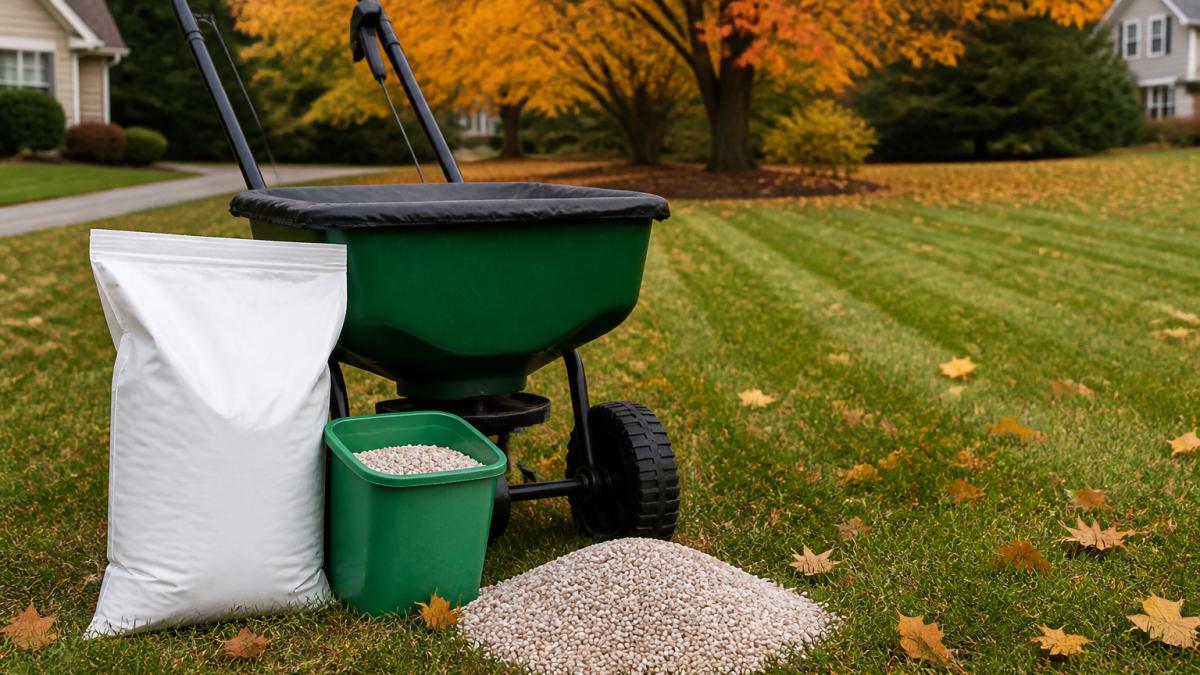
Apply a starter fertilizer when seeding. This supports new grass growth. Follow the label directions for application rates.
Once grass is established, maintain it with regular mowing. Mow when grass reaches about three inches tall (AY-32: 7 Simple Steps to a Better Home Lawn). Cut it down to about two inches.
Regular maintenance prevents future overgrowth. Mow weekly during growing season. Remove weeds when they're small. Aerate annually if soil compaction is a problem.
Prevent Future Overgrowth with Regular Maintenance
The key to avoiding future overgrowth is consistency.
Mow weekly during the growing season. This is the single most important maintenance task.
Water appropriately for your climate and grass type. Most lawns need about one inch of water per week.
Fertilize according to soil test recommendations. Over-fertilizing wastes money and encourages excessive growth.
Address weeds and bare spots promptly. Pull weeds when they're small. Overseed bare patches before they expand.
At Smith Family Services, we understand that maintaining an overgrown yard requires time, effort, and the right approach.
Restoring an overgrown yard is a project that requires patience and the right strategy.
Frequently Asked Questions
How can I tell if an overgrown yard can be restored or needs to be completely replaced?
Look at the soil and surviving grass plants beneath the overgrowth. If you find green shoots and healthy soil when you pull back debris, restoration is possible. If the ground is hard-packed, compacted, or shows no living grass after clearing, replacement may be necessary. Most yards fall somewhere in between and benefit from a combination approach: clearing, soil improvement, reseeding in bare patches, and allowing existing plants to recover.
Should I mow an overgrown lawn all at once or in stages?
Stage your mowing over 2-4 weeks. Cutting overgrown grass too short in one pass stresses the plant and damages the mower. Start by removing the top third of the height, wait 3-5 days, then cut again. This staged approach reduces shock to the lawn, prevents equipment damage, and gives you a chance to spot hidden obstacles or established plants worth protecting.
What tools do I need to clear an overgrown yard?
Start with hand tools: pruning shears for small branches, loppers for thicker growth, and a garden saw for woody material. For larger jobs, add a string trimmer for tall grass and weeds, and a brush cutter for dense vegetation. Wear long sleeves, gloves, eye protection, and sturdy boots. If the overgrowth includes large shrubs or trees, consider professional help to avoid injury or property damage.
How long does it take to restore an overgrown yard?
Expect 4-12 weeks for visible recovery, depending on severity. Light overgrowth (a few weeks of growth) takes 4-6 weeks. Moderate overgrowth (several months) requires 8-10 weeks. Severe neglect (1+ years) may take 12+ weeks or longer. The timeline includes clearing, soil repair, reseeding, and waiting for grass to establish. Regular maintenance during recovery accelerates results.
LEARN MORE

Comments