


Reliable Lawn Care in Yorktown: What to Know
Table of Contents
What Makes Reliable Lawn Care Stand Out
Creating a Lawn Care Service Checklist Before You Hire
Essential Services to Include
Questions That Separate Dependable Providers from the Rest
How to Compare Lawn Care Estimates Fairly
Understanding What Affects Your Estimate
Request Written Estimates That Break Down Services
Identify Hidden or Excluded Costs
Compare Frequency and Total Monthly Cost, Not Just Per-Visit Price
Ask About Price Adjustments and Contract Terms
Red Flags in Estimates
Reading Lawn Care Service Reviews and Ratings
Residential vs. Commercial Lawn Maintenance Needs
Red Flags That Signal an Unreliable Provider
Getting Started with a Local Provider
Frequently Asked Questions
Last Updated: October 11, 2026
What Makes Reliable Lawn Care Stand Out
Finding reliable lawn care in Yorktown requires understanding what separates dependable providers from those who disappear after the first mowing, consistency, communication, and genuine commitment to your property.
A reliable lawn care provider shows up when scheduled, communicates proactively about delays, and adjusts their approach to your lawn's specific needs, clay soil requiring different fertilization, shade patterns requiring adjusted mowing heights.
Reliability is a standard you should expect from any lawn care partner.
The best providers offer transparency: clear service descriptions, schedules, expectations, direct answers, and free estimates so you can compare fairly and understand pricing upfront.

Creating a Lawn Care Service Checklist Before You Hire
Create a checklist of what your property needs before committing to a provider. This prevents surprises and ensures you're comparing equivalent service packages.
Essential Services to Include
List core services your lawn requires. Lawn mowing frequency depends on grass type, rainfall, and your aesthetic preferences, weekly during growing season or every two weeks.
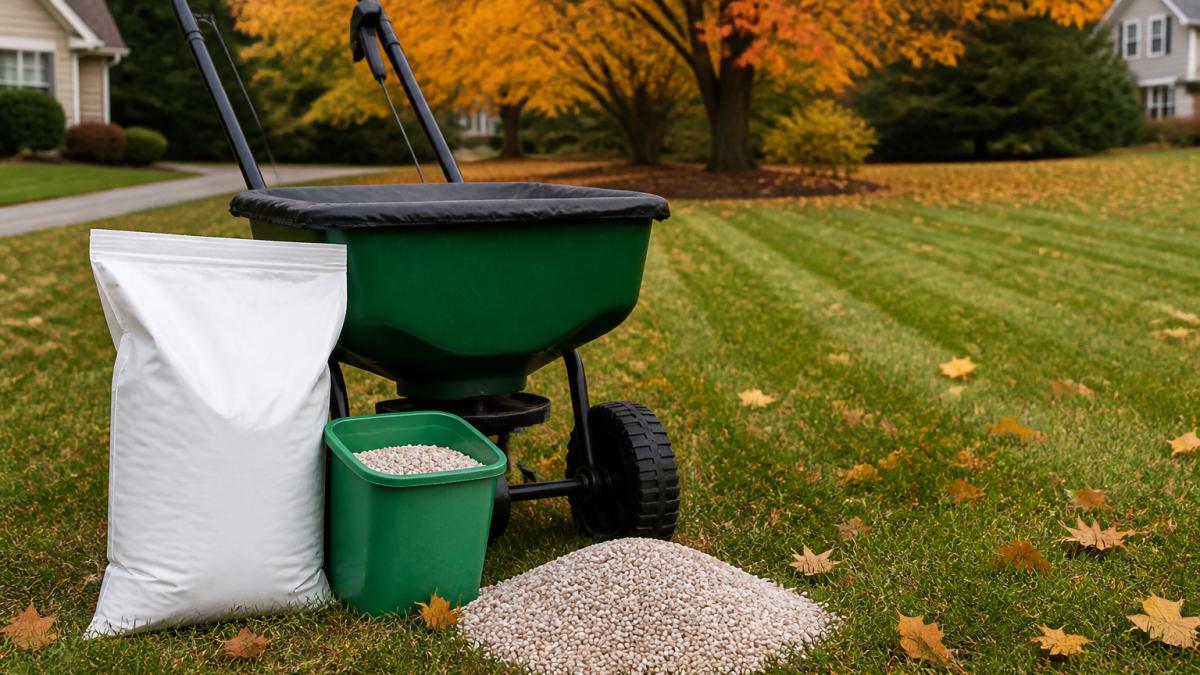
Fertilization is critical: spring applications support growth, fall applications strengthen roots before winter, and summer applications vary by region and grass type.
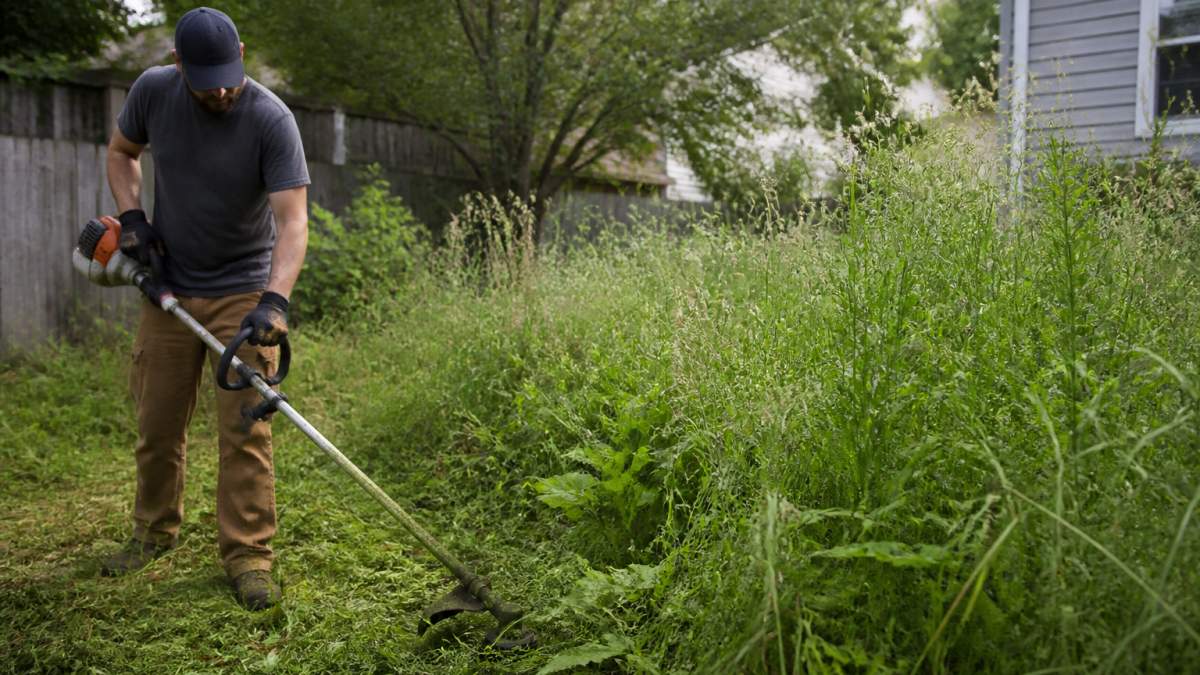
Weed control should be specific to your problem, dandelions, crabgrass, or broadleaf weeds each require different approaches. A reliable lawn care provider identifies what's growing and recommends targeted solutions rather than blanket treatments.
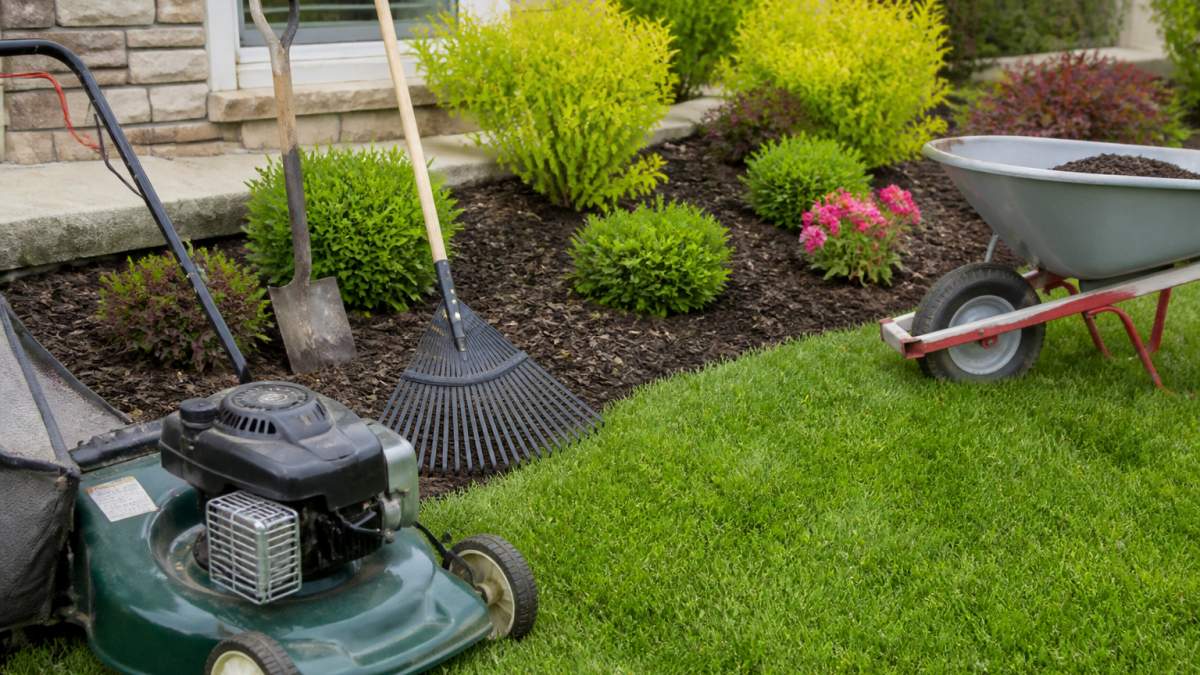
Seasonal cleanup is essential: spring cleanup removes winter debris, fall cleanup handles leaves and prepares for dormancy, and some properties benefit from power raking or aeration.
Lawn seeding and overseeding fill bare spots and thicken thin areas. This is often overlooked but makes a significant difference in lawn density and appearance.
Questions That Separate Dependable Providers from the Rest
Ask how long the company has served the area. A provider with seven years of local experience understands soil conditions, seasonal challenges, and what works in this climate.
Ask about their scheduling system: automated reminders, online service tracking, and plan adjustments. Easy scheduling shows they value your time.
Ask what happens if they miss a scheduled service. A reliable provider has a clear answer, reschedule at no charge, adjust your invoice, or offer a credit. Vague answers are a red flag.
Ask whether the same crew services your property or if it rotates. Consistency builds familiarity with your lawn's needs; family-operated services often provide this advantage.
Ask about communication during problems. Do they call, text, or email? Proactive communication before problems escalate demonstrates professionalism.
How to Compare Lawn Care Estimates Fairly
Getting multiple estimates is essential, but comparing them requires understanding what drives costs and what each estimate includes. Low price may mean cutting corners; high price doesn't guarantee better service.
Understanding What Affects Your Estimate
Property size is the primary pricing driver. A half-acre lawn costs significantly less than a two-acre property. Ask each provider how they measure; inconsistency across estimates signals underestimation.
Lawn condition affects cost. A healthy lawn costs less to maintain than one with bare patches, heavy weeds, or compacted soil. Expect higher initial costs for aeration, overseeding, or intensive weed control, decreasing once established.
Terrain and obstacles affect labor time. Flat, open yards are faster to mow than properties with trees, beds, slopes, or hardscape requiring edging. Steep grades or poor drainage may require specialized equipment, increasing cost.
Grass type and soil conditions are local factors. Cool-season grasses have different fertilization schedules than warm-season varieties. Clay-heavy soil typical in this region may require different amendments than sandy soil. Local providers account for this; unfamiliar providers may underestimate needs.
Service frequency and timing directly affect cost. Weekly mowing during peak season (May-September) costs more than biweekly. Year-round contracts cost more than growing-season-only plans.
Request Written Estimates That Break Down Services
Ask for a written estimate that lists each service separately with its frequency and cost. One estimate might include:
Weekly mowing, edging, and trimming: $40/visit
Monthly fertilization (4 applications): $60/application
Spring cleanup: $150
Fall cleanup: $150
Another might offer:
Biweekly mowing, edging, and trimming: $50/visit
Quarterly fertilization (4 applications): $80/application
Spring and fall cleanup included in annual contract
Without line-item detail, you're comparing different service packages, not just different prices.
Identify Hidden or Excluded Costs
Ask what's included in the mowing price: edging, string trimming, blowing clippings off hardscape, and branch removal. These add 15-30 minutes per visit. Providers including them in base price may appear more expensive but deliver more value; those charging separately may seem cheaper initially but cost more over time.
Ask whether seasonal services (spring cleanup, fall cleanup, aeration, overseeding) are included in a year-round contract or billed separately. Some providers bundle them; others charge à la carte. Understanding the full-year cost picture prevents surprises.
Confirm whether the estimate assumes the property is maintained or requires corrective work. If your lawn has heavy crabgrass, the first season may require intensive weed control that costs more. Once controlled, maintenance costs drop. A good estimate will note this distinction.
Compare Frequency and Total Monthly Cost, Not Just Per-Visit Price
A provider charging $35 weekly appears cheaper than one charging $70 biweekly, but the math tells a different story. Weekly service at $35 = roughly $140-150 per month (4-5 weeks). Biweekly at $70 = roughly $140 per month (2 visits). The actual cost is similar, but the service frequency differs significantly. Weekly mowing keeps grass shorter and healthier; biweekly mowing works for slower-growing periods or if you prefer a slightly taller cut.
When comparing estimates, calculate the total monthly cost for each service package, then decide whether the frequency matches your lawn's needs and your aesthetic preferences.
Ask About Price Adjustments and Contract Terms
Do rates change seasonally? Many providers charge more during peak growing season (May-September) and less during slower months. Do they increase annually? A provider who's been in business for several years should be able to tell you their typical annual increase.
Understand contract terms. Month-to-month arrangements offer flexibility. Seasonal contracts reduce costs compared to year-round service. Annual contracts may offer discounts but lock you in for 12 months. A reliable provider starts with shorter commitments so you can evaluate their work.
Red Flags in Estimates
Vague pricing ("Call for estimate" or "Price varies") suggests the company doesn't have a clear pricing structure. Request a written quote before committing.
Significantly lower prices may indicate underestimated scope, lower-quality equipment, or planned upsells. Ask how they offer lower rates; legitimate answers include efficiency or lower overhead. A non-answer is a warning.
Pressure to sign a contract before seeing their work is a red flag. A confident provider will let you try their service for a month or season before locking you into a longer agreement.
Refusal to provide a written estimate means you have no documentation if prices or services change. Always get it in writing.
Reading Lawn Care Service Reviews and Ratings
Reviews show whether a company delivers on promises. Look for specific details: "They showed up every week without fail for two years, and my lawn has never looked better" is credible; "Great service" is vague.
Check review recency. Recent reviews reflect current service; older reviews are less relevant as crew turnover or management shifts can affect quality.
Pay attention to how the company responds to negative reviews. A company that addresses complaints professionally and offers solutions demonstrates they care about customer satisfaction. A company that ignores criticism or responds defensively is a warning sign.
Look for patterns in reviews. One complaint may be isolated; multiple complaints suggest a systemic problem.
Check the BBB (Better Business Bureau) for complaint history and resolution records. A company with many unresolved complaints is riskier than one with few complaints or strong resolution.
Residential vs. Commercial Lawn Maintenance Needs
Residential lawns prioritize appearance and health with weekly service during growing season. Commercial properties require faster turnaround times, larger crews, stricter scheduling, and more complex logistics.
Match the provider's expertise to your needs. A residential-only company may struggle with large commercial properties; a commercial-focused company may overkill small residential lawns.
Red Flags That Signal an Unreliable Provider
Certain warning signs indicate a lawn care provider won't deliver consistent service.
No written estimate is a major red flag. If a company gives you a verbal quote without documentation, you have no protection if the price changes or services shift.
Reluctance to provide references is another warning. A reliable company is proud of its work and happy to connect you with satisfied customers. If a provider avoids giving references, ask why.
Lack of clear communication channels is a problem. If you can't easily reach them by phone, text, or email, service issues will be harder to resolve. A company that's hard to contact before you hire them will be harder to contact after.
No contract or agreement is risky. A written agreement protects both you and the provider. It clarifies what services you're getting, when they're scheduled, and what happens if either party wants to change the arrangement.
Unwillingness to discuss their process is a concern. A professional provider can explain their approach to lawn care, how they diagnose problems, what products they use, why they recommend certain services. Vague answers suggest they don't have a clear methodology.
Pressure to sign a long-term contract before you've seen their work is a red flag. A reliable provider is confident enough to start with a month-to-month arrangement.
Getting Started with a Local Provider
Once you've identified a reliable lawn care provider, starting the relationship correctly sets the tone for ongoing success.
Schedule a property walk-through before the first service. This gives the provider a chance to assess your lawn, identify problem areas, and discuss your goals. It also gives you a chance to meet the crew and ask final questions.
Provide clear instructions about access to your property. Where should they park? Which gate should they use? Are there pets or obstacles to avoid? Clear communication prevents confusion on service day.
Document the starting condition of your lawn. Take photos before the first service. This creates a baseline so you can track improvement over time.
Establish communication preferences early. Do you want a text after each service? A monthly summary? How do you prefer to be contacted about issues? Setting expectations prevents miscommunication.
Ask about the seasonal approach. What services are scheduled for spring, summer, fall, and winter? Understanding the full-year plan helps you see the value and prepares you for seasonal costs.
For senior citizens and veterans in the area, ask about available discounts. Many providers, including Smith Family Services, offer discounts specifically for seniors and veterans.
Finding reliable lawn care in Yorktown comes down to asking the right questions, comparing carefully, and choosing a provider who communicates clearly and shows up consistently. Whether you need weekly mowing, seasonal cleanup, or comprehensive landscape maintenance, starting with a free estimate helps you understand your options and make an informed decision. The Better Business Bureau can help verify a company's track record before you commit.
Frequently Asked Questions
What should I ask before hiring a lawn care service?
Ask how long they've served your area, whether they're insured and licensed, how they handle scheduling conflicts, what happens if you're unhappy with the work, and whether they offer seasonal services beyond mowing. Get their response in writing. Request references from current clients in your neighborhood. Reliable providers answer these questions directly and provide proof of insurance without hesitation.
How do I know if a lawn care service is actually reliable?
Look for providers with established roots in your community, consistent customer reviews mentioning punctuality and quality, transparent communication channels, and a clear service schedule. Check whether they show up on the same day each week and respond quickly to messages. Ask if they offer service guarantees or make-good policies if work doesn't meet standards. Reliability shows in how they handle problems, not just in their marketing.
What's the difference between lawn care and landscaping?
Lawn care focuses on routine maintenance: mowing, fertilization, weed control, and seasonal cleanups to keep your grass healthy. Landscaping involves design and construction projects like planting, hardscaping, or major renovations. Many providers offer both. Know which service you need before requesting an estimate, as they're priced differently and require different expertise.
How often should lawn mowing happen during the growing season?
Most lawns need mowing weekly or every 10 days during spring and summer when grass grows fastest. Exact frequency depends on rainfall, grass type, and your desired appearance. Reliable providers maintain a consistent schedule rather than skipping weeks, which keeps your lawn healthier and your property looking maintained. Ask potential providers what their standard mowing schedule is.
LEARN MORE
Comments